Protector
12 minute read
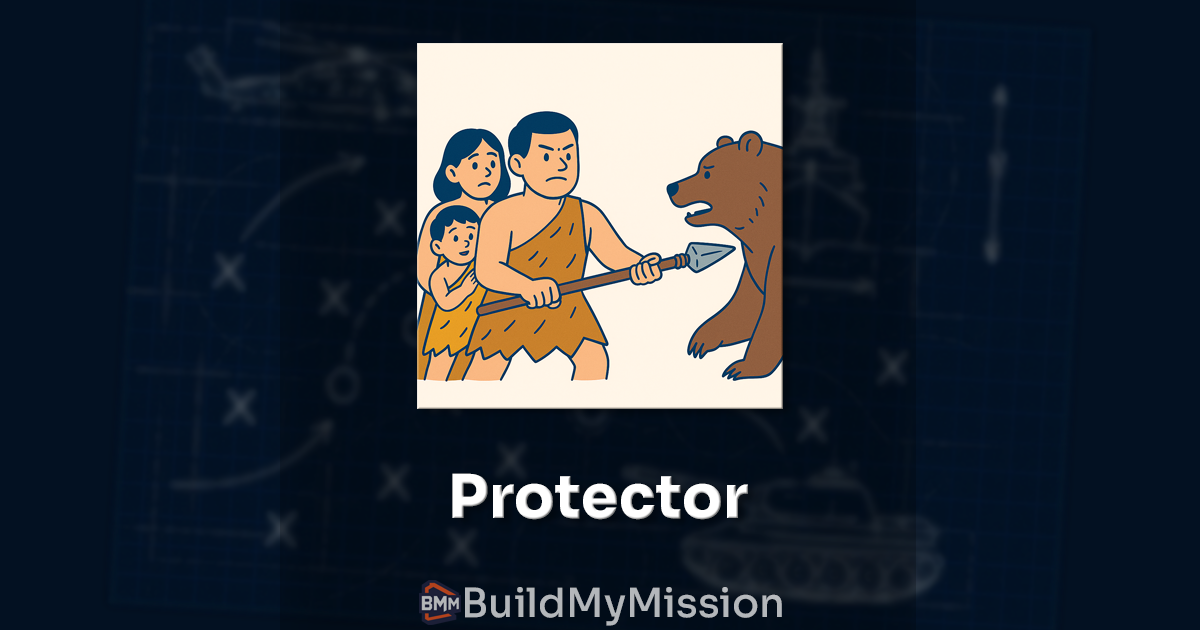
Men are called to be protectors. This is deep in your bones - the instinct to stand between danger and those you love. It’s why you feel that surge when you see injustice or threat. God designed men with the physical strength, the temperament, and the calling to protect the vulnerable. This isn’t toxic masculinity or outdated chauvinism. This is biblical manhood reflecting the character of God Himself, who is described throughout Scripture as a shield, fortress, and defender.
Protection isn’t just about physical confrontation, though that’s part of it. It’s about creating safety in every dimension - physical, emotional, spiritual, and social. It’s about being the kind of man people feel safe around. The kind of man who can be trusted to stand firm when things get dangerous or difficult. Whether you’re 16 or 60, single or married, you have people and principles worth protecting, and you need to develop the strength and wisdom to do it well.
Protecting means creating safety for yourself, your family, and your community across physical, emotional, and spiritual dimensions. It’s rooted in Scripture (Psalm 82:3-4, Nehemiah 4:14), reflects God’s nature as our Protector, and prepares you to be a faithful guardian of those God entrusts to you. Develop strength, set boundaries, and stand firm for what’s right.
What It Means to Protect
Biblical protection is multi-dimensional. You’re not just a bodyguard - you’re a guardian of people’s wellbeing in every area.
Physical Protection
This is the most obvious form. You develop the physical strength and skills to deter or defend against physical threats. This means staying fit, learning basic self-defense, being aware of your surroundings, and having the courage to act when danger appears. Most men will never need to physically defend their family from violence, but you need to be capable of it if required. Better to be a warrior in a garden than a gardener in a war.
Emotional Protection
Your wife and children need to feel emotionally safe with you. This means you don’t use your words to tear people down, you don’t manipulate or gaslight, and you don’t create an environment of fear or chaos. You protect their dignity and self-worth. You stand up for them when others criticize or attack them. You create a home where people can be vulnerable without being hurt.
Spiritual Protection
This might be the most important and most neglected. You protect your family from false teaching, spiritual deception, and the influence of evil. You pray for them. You discern what influences to allow into your home. You stand firm on biblical truth even when culture says you’re wrong. You’re the spiritual gatekeeper, deciding what ideologies and values get access to your household.
Social Protection
You protect your family’s reputation and honor. You don’t gossip about your wife or children. You don’t air dirty laundry publicly. When others speak poorly of your people, you address it. You guard your family’s privacy and dignity in a world that wants to exploit and expose everything.
Why Protecting Matters
- God is a protector, and we’re made in His image - Throughout Scripture, God is described as a shield, fortress, and defender. Men reflect this aspect of God’s character.
- The vulnerable need defenders - Children, women, the elderly, and the weak need men willing to stand between them and harm.
- Evil exists and must be opposed - We live in a fallen world. Passivity in the face of evil is cowardice, not virtue.
- Your family’s wellbeing depends on it - Physical safety, emotional security, and spiritual health all require active protection.
- It builds courage and strength - Developing the capacity to protect makes you a better man in every area of life.
- Society breaks down without protectors - Civilization requires good men willing to enforce boundaries and confront threats.
- Love requires protection - You can’t truly love someone without being willing to protect them. Love without protection is sentiment, not substance.
Biblical Foundation
Scripture consistently calls men to be protectors and commends those who fulfill this calling faithfully.
God as Our Protector
God is the ultimate protector, and men are called to reflect this aspect of His character:
“The Lord is my rock and my fortress and my deliverer; my God, my strength, in whom I will trust; my shield and the horn of my salvation, my stronghold.” - Psalm 18:2 (NKJV)
God is described as rock, fortress, deliverer, shield, and stronghold. These are images of protection and defense. As men made in God’s image, we’re called to provide this kind of security for those we love.
The Command to Defend the Weak
Scripture directly commands protection of the vulnerable:
“Defend the poor and fatherless; do justice to the afflicted and needy. Deliver the plunder out of the hand of the wicked.” - Psalm 82:3-4 (NKJV)
This isn’t optional. God commands His people - especially men with strength and resources - to actively defend those who can’t defend themselves. Failing to do so is failing to obey God.
Nehemiah: Builder and Defender
When Nehemiah rebuilt Jerusalem’s walls, he armed his men and prepared them to fight:
“Therefore I positioned men behind the lower parts of the wall, at the openings; and I set the people according to their families, with their swords, their spears, and their bows… Those who built on the wall, and those who carried burdens, loaded themselves so that with one hand they worked at construction, and with the other held a weapon.” - Nehemiah 4:13, 17 (NKJV)
Nehemiah didn’t have false confidence that God would protect them without effort. He worked with a trowel in one hand and a sword in the other. He built and defended simultaneously. That’s biblical masculinity - creating good things while prepared to defend them.
Then Nehemiah spoke to the men directly about their families:
“Do not be afraid of them. Remember the Lord, great and awesome, and fight for your brethren, your sons, your daughters, your wives, and your houses.” - Nehemiah 4:14 (NKJV)
Fight for your family. That’s the call. Not aggressive warfare, but defensive protection of those you love.
The Shepherd Imagery
Jesus describes Himself as the Good Shepherd who protects the flock:
“I am the good shepherd. The good shepherd gives His life for the sheep. But a hireling, he who is not the shepherd, one who does not own the sheep, sees the wolf coming and leaves the sheep and flees; and the wolf catches the sheep and scatters them.” - John 10:11-12 (NKJV)
The good shepherd protects. The bad one runs. When danger comes, you stand or you flee. Jesus stood. That’s the model for men.
David, before he was king, killed a lion and a bear to protect his father’s sheep (1 Samuel 17:34-37). He risked his life for animals that weren’t even his family. That’s the protector instinct - you don’t run from danger when you’re responsible for others.
Stand Against Evil
Scripture calls men to actively oppose evil, not just avoid it:
“Rescue those being led away to death; hold back those staggering toward slaughter. If you say, ‘But we knew nothing about this,’ does not he who weighs the heart perceive it? Does not he who guards your life know it? Will he not repay everyone according to what they have done?” - Proverbs 24:11-12 (NKJV)
You can’t claim ignorance and stand innocent. If you can intervene and choose not to, God holds you accountable. Protection requires action, not passivity.
Paul on Spiritual Warfare
Protection includes spiritual dimensions:
“Finally, my brethren, be strong in the Lord and in the power of His might. Put on the whole armor of God, that you may be able to stand against the wiles of the devil.” - Ephesians 6:10-11 (NKJV)
Spiritual threats are real. Men need to be equipped to protect their families from spiritual deception, false teaching, and the enemy’s schemes. This requires knowing Scripture, discerning truth from lies, and having the courage to stand firm.
Practical Examples
David, 28 and newly married, took practical steps to protect his home. He installed quality locks on all doors, added motion-sensor lights outside, and got a security system. He and his wife discussed what to do in various emergency scenarios. David took a concealed carry class and learned firearms safety. He didn’t become paranoid, but he prepared. His wife felt safer knowing he took their protection seriously.
At a family gathering, Michael’s uncle made a sarcastic comment about Michael’s wife’s cooking. It was masked as a joke, but it was mean-spirited. Michael immediately addressed it: “Hey, that’s not okay. She worked hard on that meal, and I appreciate it. Let’s keep things respectful.” The conversation moved on, but his wife knew he would defend her. That’s emotional protection - not letting people tear down those you love.
You don’t need to be a UFC fighter, but you should be physically capable. Lift weights regularly to build functional strength. Learn basic self-defense or martial arts. Practice situational awareness - notice exits, spot potential threats, stay off your phone in parking lots. Physical capability gives you options when threats arise.
Jason and his wife decided what media and influences they’d allow in their home. They watched movies together first before showing them to their kids. Jason monitored what his teenagers were consuming online without being overbearing. When a friend started introducing New Age ideas to his daughter, Jason had a calm conversation addressing it biblically. He protected his family’s spiritual environment without being legalistic or controlling.
Carlos, father of three teens, set up parental controls and had regular conversations about internet safety. He didn’t secretly read their messages, but he made clear that devices were privileges with accountability. When his son encountered online bullying, Carlos stepped in, contacted the school, and talked to the other parents. He protected his son’s emotional wellbeing while teaching him to handle conflict.
How to Live This Out
Here’s how to develop the mindset and skills of a biblical protector:
Build physical strength and capability - Lift weights, stay fit, and develop functional strength. Take a self-defense class or learn a martial art. Practice situational awareness. You can’t protect anyone if you’re weak and unaware.
Develop courage through small acts - Courage is a muscle. Speak up when you see something wrong. Intervene in small situations. Stand up for the weak at school or work. Each small act builds the habit of courage for when bigger threats arise.
Learn to set boundaries - Protecting means saying no to things that harm those you love. Set boundaries around your time, your home, and your family. Don’t let toxic people or influences have access just to avoid conflict.
Be emotionally stable - You can’t provide emotional protection if you’re emotionally unstable yourself. Work on your mental health. Deal with your anger. Don’t be the source of emotional chaos. Get help if needed.
Study Scripture and theology - To protect spiritually, you need to know truth deeply. Read your Bible daily. Learn doctrine. Understand what’s true so you can recognize what’s false. You can’t guard against deception if you don’t know truth.
Practice discernment - Ask questions about everything. What worldview does this movie promote? What values does this influencer teach? What spirit is behind this advice? Develop the ability to discern good from evil, wise from foolish.
Don’t be passive about evil - When you see injustice, bullying, abuse, or oppression, act. You don’t have to be reckless, but you can’t be passive. Do what you can with what you have. Speak up, intervene, report it, help the victim, confront the perpetrator.
Create a safe home environment - Whether you’re still living with parents or building your own home, contribute to safety. Be emotionally steady. Keep your word. Don’t create chaos or drama. Be someone people feel safe around.
Defend reputations - Don’t let people gossip about those you love. Don’t join in criticism. If your family isn’t present to defend themselves, you do it for them. Protect their honor and dignity.
Pray for protection - Ask God to protect your family. Pray against spiritual attacks. Ask for wisdom to see threats before they materialize. Protection starts with prayer.
What This Is NOT
Biblical protection has been distorted into toxic patterns. Let’s be clear about what this doesn’t mean:
It’s NOT About Violence or Aggression
Protection is defensive, not aggressive. You’re not looking for fights or trying to dominate others through intimidation. You’re prepared to defend when necessary, but you’re not the threat. Don’t confuse protection with aggression.
It’s NOT Controlling or Isolating Your Family
Some men use “protection” as an excuse to control every aspect of their wife and children’s lives. That’s not protection - that’s abuse. Your wife isn’t your property, and your children aren’t prisoners. Protect them from actual threats, don’t manufacture threats to justify control.
It’s NOT Overreacting to Everything
Not every risk is a threat. Not every stranger is a danger. Teach your family to be wise and discerning, not paranoid and fearful. Protection means helping them navigate the real world, not hiding from it.
It’s NOT Excusing Your Own Harmful Behavior
You can’t protect your family from external threats while being a threat yourself. If you’re the one creating fear, chaos, or harm through your anger, addiction, or abuse, you’re not a protector - you’re the problem. Get help and change.
It’s NOT Just Physical
Some guys focus only on physical protection and completely neglect emotional and spiritual safety. Your family needs you to be strong in all dimensions. Don’t be the guy who can bench 300 pounds but can’t protect his kids from spiritual deception or emotional harm.
It’s NOT Doing Everything FOR Them
Protection doesn’t mean solving every problem or shielding from every difficulty. Part of protecting your family is teaching them to be strong and capable themselves. Train your children to protect themselves, to discern, to stand firm. Don’t create dependence - create resilience.
Living as a Protector
Being a protector is one of the clearest callings of biblical masculinity. It’s how you demonstrate love in action - not just feeling affection, but being willing to stand between danger and those you love. This is what separates good men from weak ones: the willingness to face threats for the sake of others.
Start developing this now, wherever you are. Build physical strength. Grow in courage. Learn to set boundaries. Study Scripture so you can protect against false teaching. Practice standing up for what’s right in small situations so you’re ready for big ones. Ask God for wisdom to see threats before they fully develop and courage to act when required.
Your future wife needs a man who will protect her - not control her, but genuinely keep her safe and defend her wellbeing. Your future children need a father who creates an environment where they can grow without fear. Your community needs men who will stand up for the weak and oppose evil. Step into that calling today, and become the kind of man people feel safe around.